Candi Jago (Jago Temple)
Item
-
Title
-
Candi Jago (Jago Temple)
-
Date
-
1343 AD
-
Description
-
Candi Jago, located in Tumpang, Malang, East Java, Indonesia, is a 13th-century Hindu-Buddhist temple built during the Singhasari Kingdom. It is believed to have been constructed as a memorial for King Wisnuwardhana, a ruler of Singhasari, around 1268–1280 CE. The name "Jago" is thought to derive from the ancient Javanese word "Jajaghu," which means "glorious," reflecting its significance as a spiritual and cultural landmark. The temple's architecture and carvings illustrate the syncretism of Hindu and Buddhist influences that characterized the religious practices of the time.
Physically, Candi Jago is notable for its unique stepped-pyramid design, a departure from the more vertical structures of earlier temples. The base of the temple is square, measuring approximately 23 meters on each side, with a terraced design leading to a now-missing main chamber and roof. Its walls are adorned with intricate bas-reliefs depicting scenes from Hindu epics such as the Mahabharata and Ramayana, as well as Buddhist narratives like the Jataka tales. These carvings not only highlight the temple's artistic mastery but also provide a glimpse into the moral and spiritual values of the Singhasari period.
Despite its historical significance, much of Candi Jago is in a state of ruin due to centuries of weathering and human intervention. The roof and upper structures have been lost, and some carvings have deteriorated. Nevertheless, restoration efforts have helped preserve the remaining elements, ensuring that visitors can still appreciate its beauty and historical importance. Today, Candi Jago serves as a vital link to Indonesia’s rich cultural heritage, attracting tourists, researchers, and spiritual seekers alike.
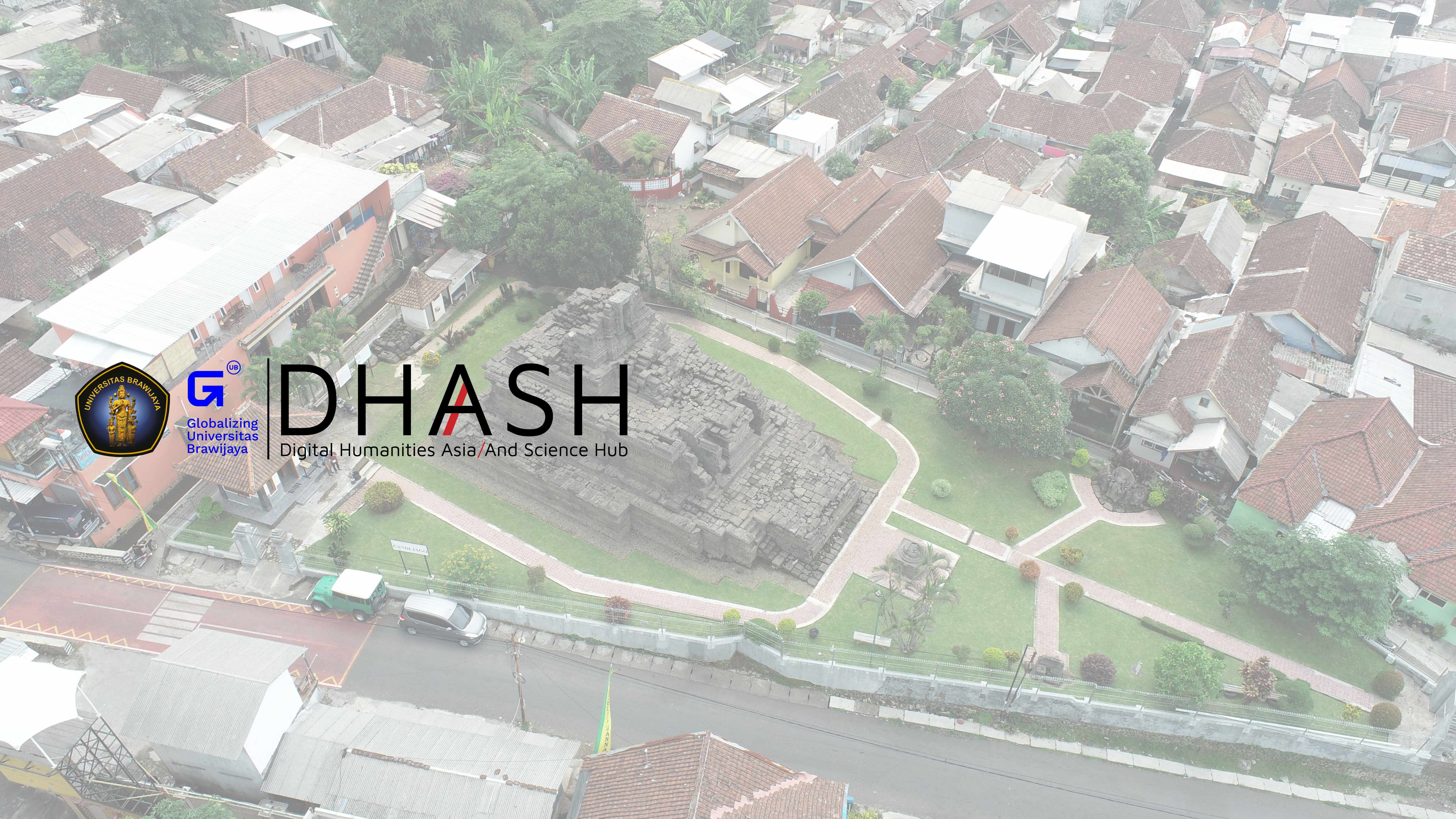
 3D Model of Candi Jago