Candi Badut (Badut Temple)
Item
-
Title
-
Candi Badut (Badut Temple)
-
Date
-
760 AD
-
Description
-
Candi Badut, located in Malang, East Java, Indonesia, is a small yet historically significant Hindu temple believed to have been built in the 8th century during the era of the Kanjuruhan Kingdom. As one of the oldest temples in East Java, it holds great importance in understanding the early spread of Hindu culture and architecture in the region. The temple’s structure is relatively simple, with a square base and a central chamber (cella) that once housed a Lingga-Yoni, symbolizing the worship of Shiva, a key deity in Hinduism. Although parts of the temple have been damaged or eroded over time, the remaining carvings and architectural elements reflect the early Javanese style of stone construction, characterized by minimalistic yet meaningful designs.
The temple’s name, “Badut,” which translates to “clown” in modern Indonesian, is intriguing, though its connection to the temple's purpose or history is unclear. Located in the Tidar area, on the western outskirts of Malang, Candi Badut is surrounded by lush greenery, providing a tranquil environment that enhances its spiritual and historical atmosphere. Efforts have been made to restore and preserve the site, making it a popular destination for both tourists and researchers. Its accessibility and cultural significance make Candi Badut not only a treasure of Malang’s heritage but also an important link to the early history of Hinduism in Java.
-
Format
-
*.glb
-
Place
-
Malang
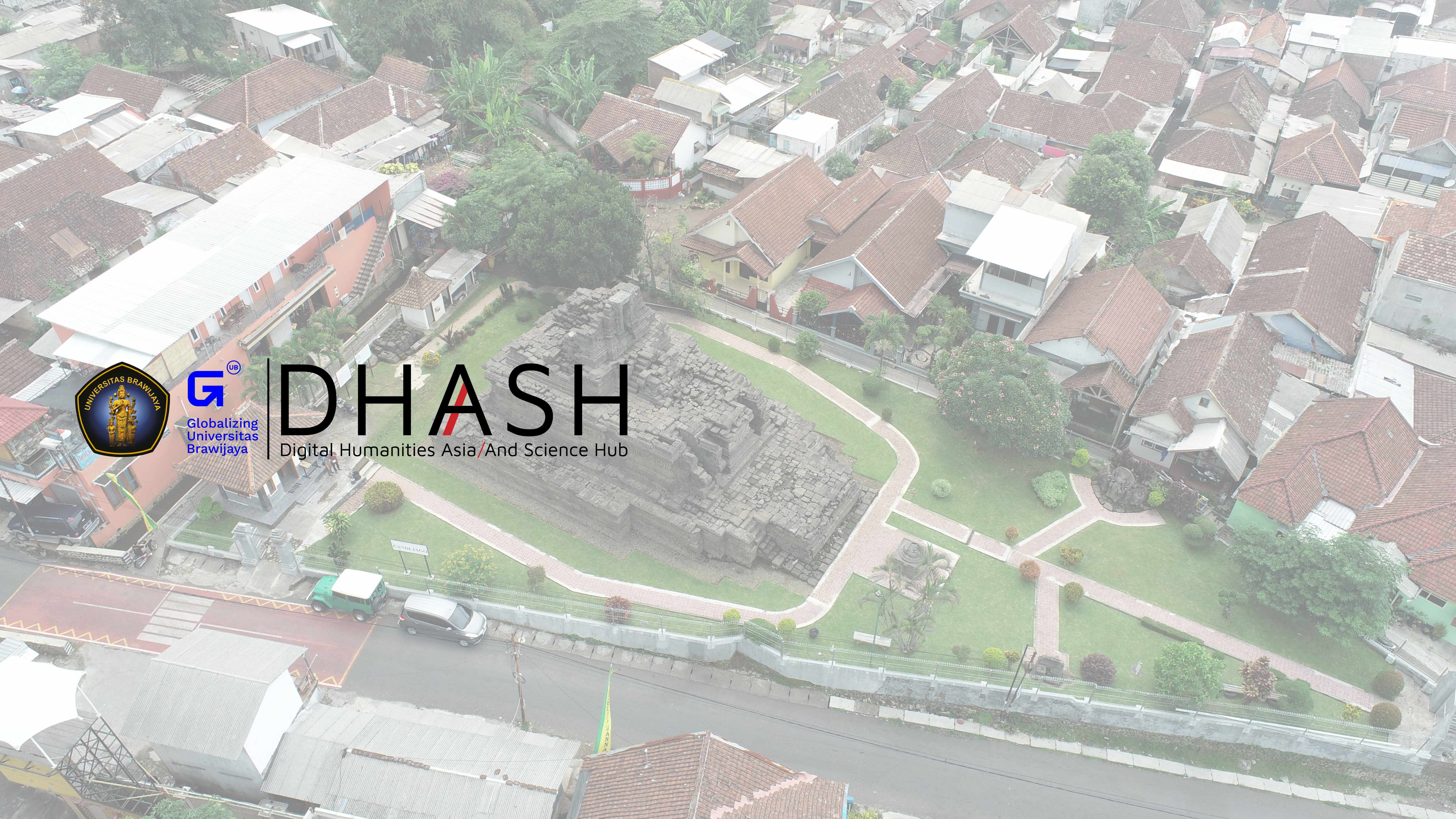
 3D Model of Candi Badut