Candi Kidal (Kidal Temple)
Item
-
Title
-
Candi Kidal (Kidal Temple)
-
Date
-
1248–1260 AD
-
Description
-
Candi Kidal is a Hindu temple located in Rejokidal village, Tumpang district, about 20 km east of Malang. Built around 1248–1260 AD, it serves as the mortuary shrine (pendharmaan) for King Anusapati, the second king of the Singhasari dynasty. Unlike the robust and unfinished look of Candi Singosari, Candi Kidal is a fine example of East Javanese architecture, characterized by its slender body and towering roof (though the very top is now missing). It was built to honor the king, who was deified as Shiva, and is historically significant for its relatively intact condition and beautiful ornamentation.
The most defining feature of Candi Kidal is the series of reliefs carved around its base, which depict the myth of Garudeya. These carvings tell the story of the bird-man Garuda’s journey to find the elixir of life (Amrita) to free his mother, Winata, from slavery to the dragon clan. This story is not merely decorative; it is a powerful symbol of King Anusapati's deep devotion to his own mother, Ken Dedes. It is believed that Anusapati built this temple to ritually "liberate" his mother's soul from the suffering caused by the violent political intrigues of the Singhasari court.
Architecturally, the temple follows the standard "Triloka" (three worlds) structure but features distinctively fierce guardian carvings. Above the doorways hang massive Kala heads (demon faces) with bulging eyes and sharp fangs, designed to ward off evil spirits. Interestingly, these Kala heads also have hands with the "threatening finger" gesture (mudra), a unique stylistic trait of East Javanese art. The reliefs on the base are meant to be read in a counter-clockwise direction (prasawya), which confirms the temple's function as a funerary monument rather than a place for standard worship.
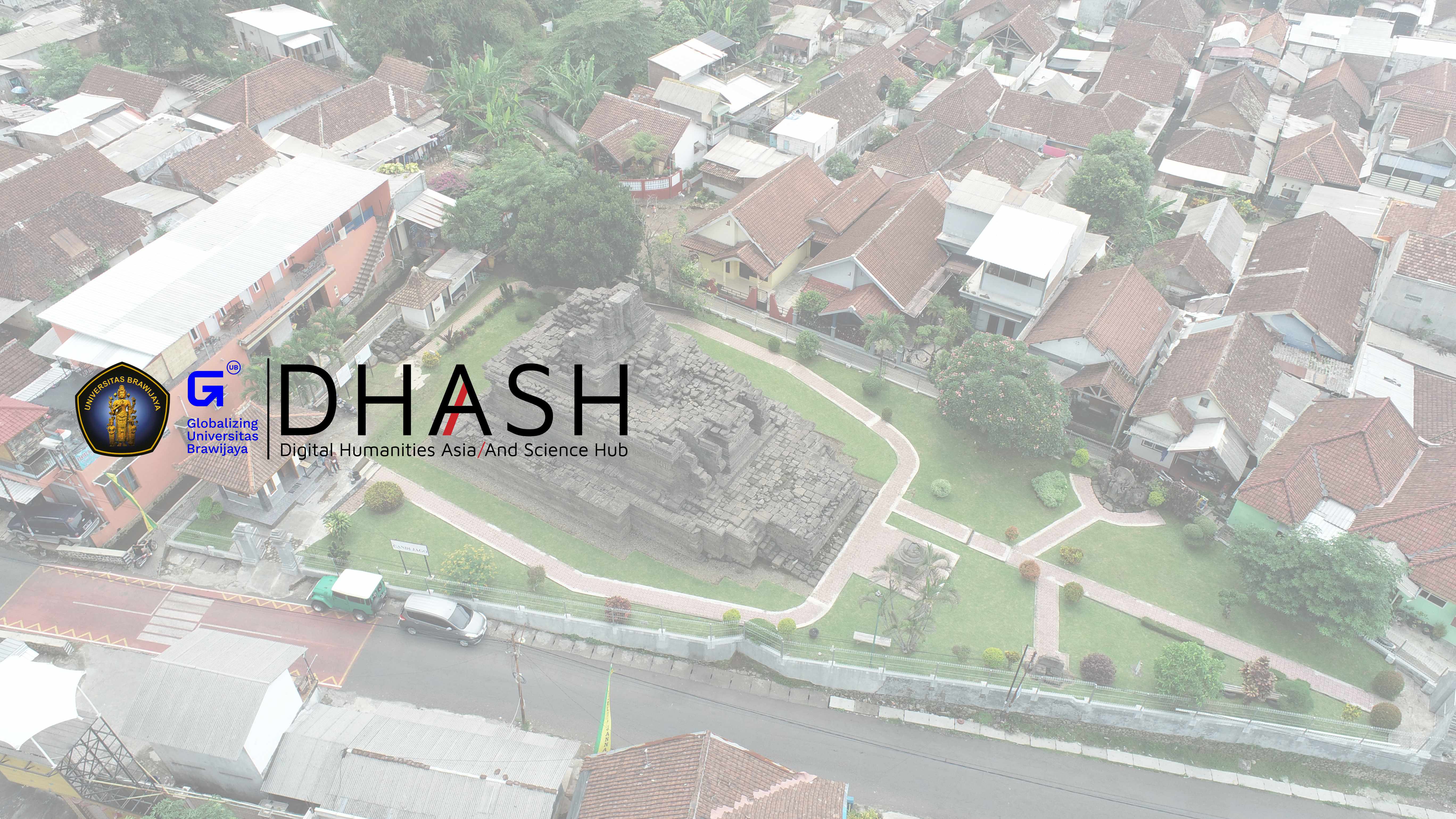
 3D Model of Candi Kidal